

What Did Stegosaurus Eat? Herbivore Dinosaur Facts
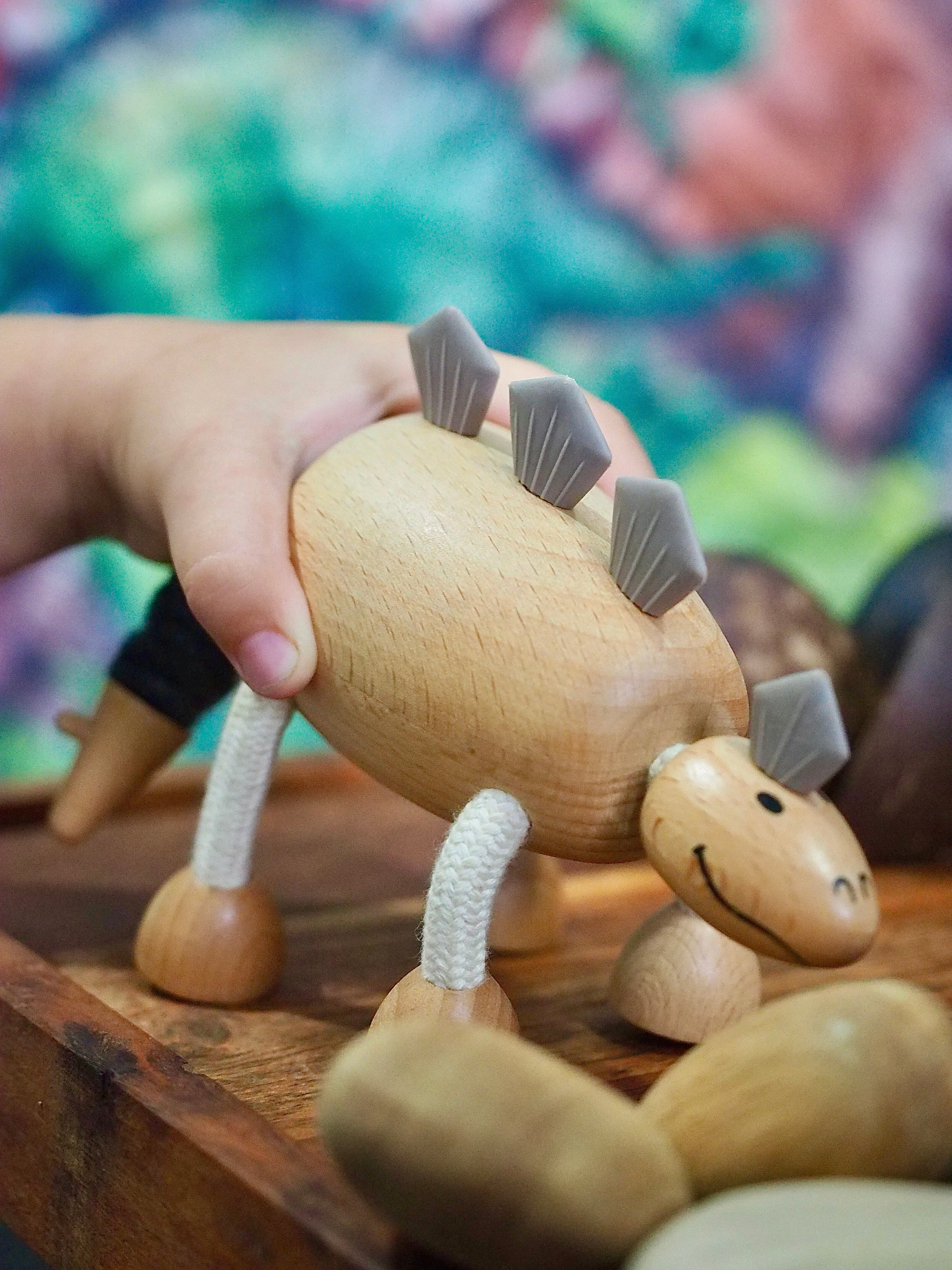
What Did Stegosaurus Eat? Herbivore Dinosaur Facts
With its dramatic row of bony plates and fearsome spiked tail, Stegosaurus looks like it should be a terrifying predator. But here's the surprise: Stegosaurus was a complete vegetarian. This iconic dinosaur spent its days peacefully munching on plants — and it's one of the most fascinating herbivores that ever lived. Let's explore what Stegosaurus ate, how it lived, and what we can learn from plant-eating dinosaurs.
What Did Stegosaurus Eat?
Stegosaurus lived during the Late Jurassic period, around 155–150 million years ago, in what is now North America and Europe. At that time, the landscape was lush with ferns, cycads, mosses, and low-growing plants, but without the flowering plants and grasses we know today.
Stegosaurus ate:
- Ferns — one of the most abundant plants of the Jurassic period
- Cycads — palm-like plants with tough leaves
- Mosses and horsetails — low-growing ground cover
- Possibly soft fruits and seeds from primitive plants
Stegosaurus had a small head and a beak-like mouth with small, leaf-shaped teeth. Scientists believe it may have swallowed gastroliths (stomach stones) to help grind up plant material in its digestive system, similar to how some birds swallow grit today.
What Were Those Plates For?
Current theories include:
- Temperature regulation: The plates may have been filled with blood vessels, acting like solar panels to absorb heat or release it to cool down.
- Display: The plates may have been brightly coloured to attract mates or intimidate rivals.
- Defence: While the plates themselves weren't ideal for defence, they may have made Stegosaurus look larger and more intimidating to predators.
The Thagomizer — Its Real Weapon
The spiked tail of Stegosaurus is called a thagomizer (a name that originated from a Far Side cartoon and was later adopted by palaeontologists!). The spikes could be up to 90 cm long and were used to defend against predators like Allosaurus. Fossil evidence shows healed puncture wounds in Allosaurus bones that match Stegosaurus tail spikes perfectly.
Other Famous Herbivore Dinosaurs
- Triceratops: The three-horned dinosaur used its beak to clip tough vegetation and its horns to defend against T-Rex.
- Brachiosaurus: Used its long neck to reach treetops, like a prehistoric giraffe.
- Ankylosaurus: A low-slung armoured herbivore that grazed on ground-level plants.
- Iguanodon: One of the first dinosaurs ever discovered, it had a thumb spike and ate plants with its beak.
- Parasaurolophus: A duck-billed dinosaur with a hollow crest used for communication.
Why Were So Many Dinosaurs Herbivores?
In any ecosystem, plant-eaters outnumber meat-eaters — and the dinosaur world was no different. Plants are abundant and don't fight back (much), making them a reliable food source. Herbivores evolved remarkable adaptations to process tough plant material: specialised teeth, long digestive systems, and in some cases, stomach stones.
Herbivore Dinosaur Activities for Kids
- Jurassic plant hunt: Research what plants existed in the Jurassic period. Which ones still exist today? (Ferns and cycads do!)
- Plate experiment: Cut out cardboard "plates" and paint them different colours. Discuss which colours might attract mates vs. warn predators.
- Herbivore vs. carnivore teeth: Compare images of herbivore and carnivore dinosaur teeth. How are they different?
- Ecosystem web: Draw a simple food web showing plants → herbivore dinosaurs → carnivore dinosaurs.
Explore the Prehistoric World Through Play
Our Hidden Valley collection features beautifully crafted wooden dinosaur figurines — including herbivores and carnivores — made from sustainably sourced timber.
Shop the Hidden Valley Collection →
Further Reading & Resources
These trusted museums and educational sites are great for exploring Stegosaurus and herbivore dinosaurs further:
- Natural History Museum — Stegosaurus — the London Natural History Museum's detailed Stegosaurus profile, covering diet, anatomy, the purpose of its plates, and the latest scientific research.
- National Geographic — Stegosaurus — facts, illustrations, and videos about Stegosaurus — ideal for classroom research and independent reading.
- American Museum of Natural History — Herbivore Dinosaurs — the AMNH explores the diversity of plant-eating dinosaurs, their adaptations, and their role in Mesozoic ecosystems.
- DK Find Out — Stegosaurus — child-friendly, curriculum-aligned Stegosaurus facts with interactive content perfect for primary school learners.
- Australian Age of Dinosaurs — Education — Australia's dedicated dinosaur museum offers educational programs and resources connecting kids to Australia's own remarkable dinosaur fossil record.
Explore more on our Ramblings blog — including how we know about dinosaurs through fossils and T-Rex size comparisons.

Send us a note