

Lion Pride Facts: Family Structure Kids Can Learn From
Lion Pride Facts: Family Structure Kids Can Learn From
Lions are often called the "King of the Jungle" — though they actually live in grasslands and savannahs, not jungles! What makes lions truly remarkable isn't just their power or their magnificent manes. It's the way they live together. Lions are the only truly social big cats, and their family groups — called prides — offer some wonderful lessons about community, cooperation, and care.
What Is a Pride?
A lion pride is a family group that typically consists of:
- 2–40 related females (lionesses) who form the stable core of the pride
- Their cubs of various ages
- 1–4 adult males who protect the pride's territory
Prides can range from just a few lions to over 30 individuals. The females in a pride are usually related — sisters, mothers, daughters, and aunts — and they often stay together for life.
Lionesses Do Most of the Hunting
One of the most surprising lion facts for kids: it's the lionesses, not the males, who do most of the hunting. They work together as a team, using clever strategies to surround and ambush prey like zebras, wildebeest, and buffalo. This teamwork is essential — lions have a relatively low hunting success rate (around 20–25%), so cooperation makes all the difference.
Males Protect the Pride
While lionesses hunt, male lions have an equally important job: defending the pride's territory. A male lion's roar can be heard up to 8 kilometres away and serves as a powerful warning to rival males. Their impressive manes also make them look larger and more intimidating to competitors.
Cubs Are Raised by the Whole Pride
One of the most heartwarming aspects of lion family life is that all the lionesses in a pride help raise the cubs. Females often synchronise their births so cubs are raised together, and any lioness will nurse any cub in the pride — not just her own. This communal parenting means cubs are rarely left alone and always have a protector nearby.
How Lions Communicate
Lions communicate in fascinating ways:
- Roaring: Used to announce territory and locate pride members
- Grooming: Lions groom each other to strengthen social bonds
- Head rubbing: A greeting behaviour that reinforces relationships
- Tail signals: The tip of a lion's tail is used to signal to cubs to follow
- Vocalisations: From soft chuffs to loud growls, lions have a rich vocal repertoire
What Kids Can Learn from Lion Prides
- Teamwork: Lionesses hunt together because they're more successful as a group than alone.
- Shared responsibility: Every member of the pride has a role to play.
- Community care: Cubs are looked after by the whole group, not just their mothers.
- Communication: Lions use many different ways to "talk" to each other — just like we do!
Are Lions Endangered?
Lion populations have declined by around 43% over the past 21 years. Today, fewer than 25,000 lions remain in the wild. Habitat loss, conflict with farmers, and prey depletion are the main threats. Teaching kids about lions is a powerful first step toward inspiring future conservationists.
Fun Lion Activities for Kids
- Pride map: Draw a lion pride and label each member's role — who hunts, who guards, who cares for cubs?
- Roar experiment: Go outside and see how far your voice carries. Then imagine a roar 8km away!
- Teamwork challenge: Play a cooperative game that requires everyone to work together to succeed.
- Story time: Create a story from the perspective of a lion cub growing up in a pride.
Bring the Savannah Home
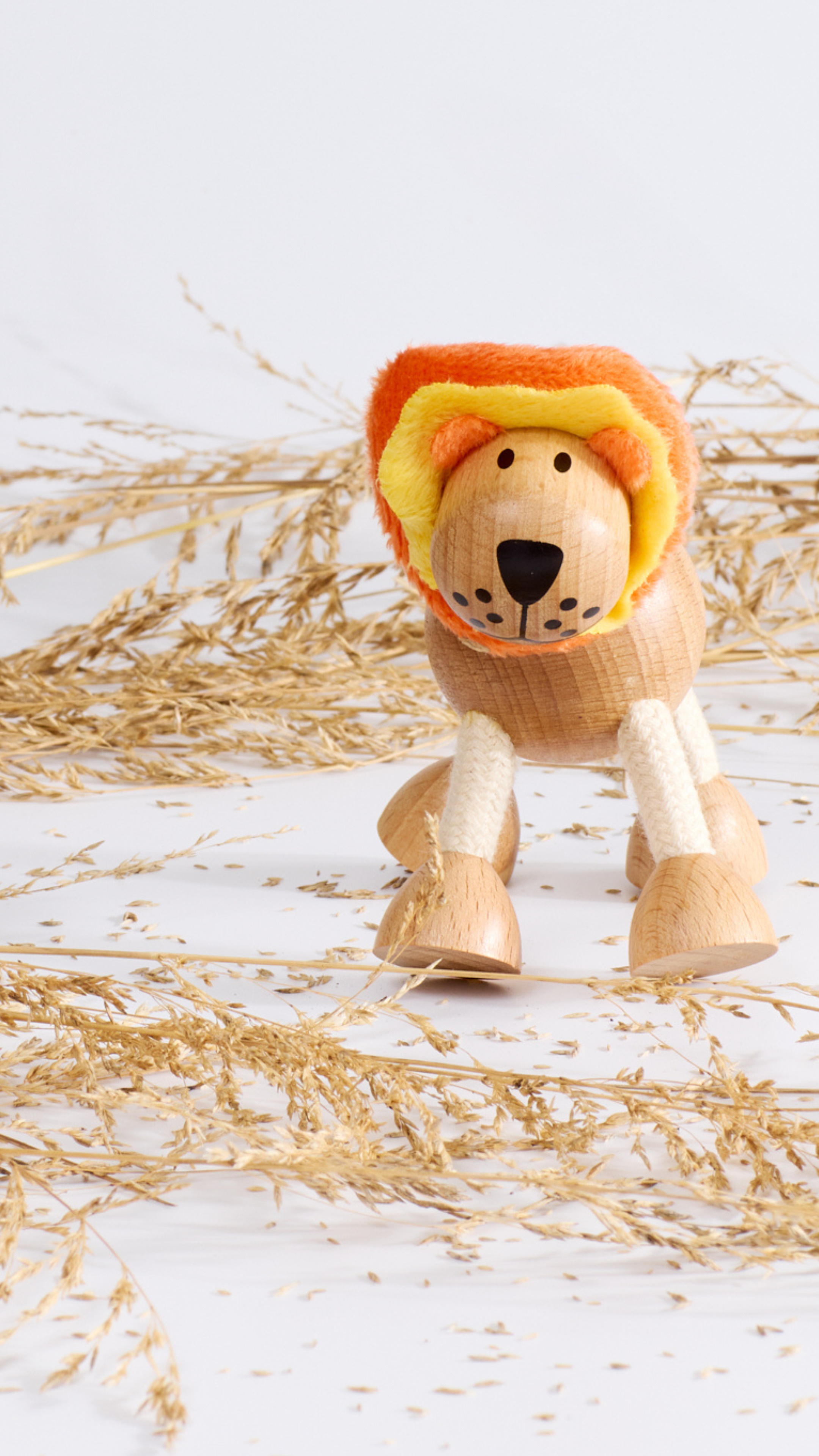
Our wooden lion figurines are crafted from sustainably sourced materials and hand-painted with beautiful detail. They're perfect for recreating pride dynamics during imaginative play.
Shop the Roaming Mountains Collection →
Further Reading & Resources
Explore these trusted sites to learn more about lions and big cat conservation:
- Panthera — Lion Conservation — the world's leading wild cat conservation organisation, with in-depth information on lion population research and conservation programs across Africa.
- Lion Recovery Fund — dedicated to doubling lion numbers in Africa by 2050, with accessible resources on why lions matter and how communities can coexist with them.
- WWF — Lion — WWF's lion profile covers the threats facing lions today and the conservation work underway to protect them across sub-Saharan Africa.
- National Geographic — Lion — stunning photography, videos, and facts about lion behaviour, pride structure, and conservation status — perfect for classroom research.
- DK Find Out — Lion — child-friendly, curriculum-aligned lion facts with interactive content ideal for primary school learners.
Read more animal facts on our Ramblings blog, including elephant conservation and giraffe facts for kids.

Send us a note