

How Do Moose Survive Winter? Adaptation Facts for Kids
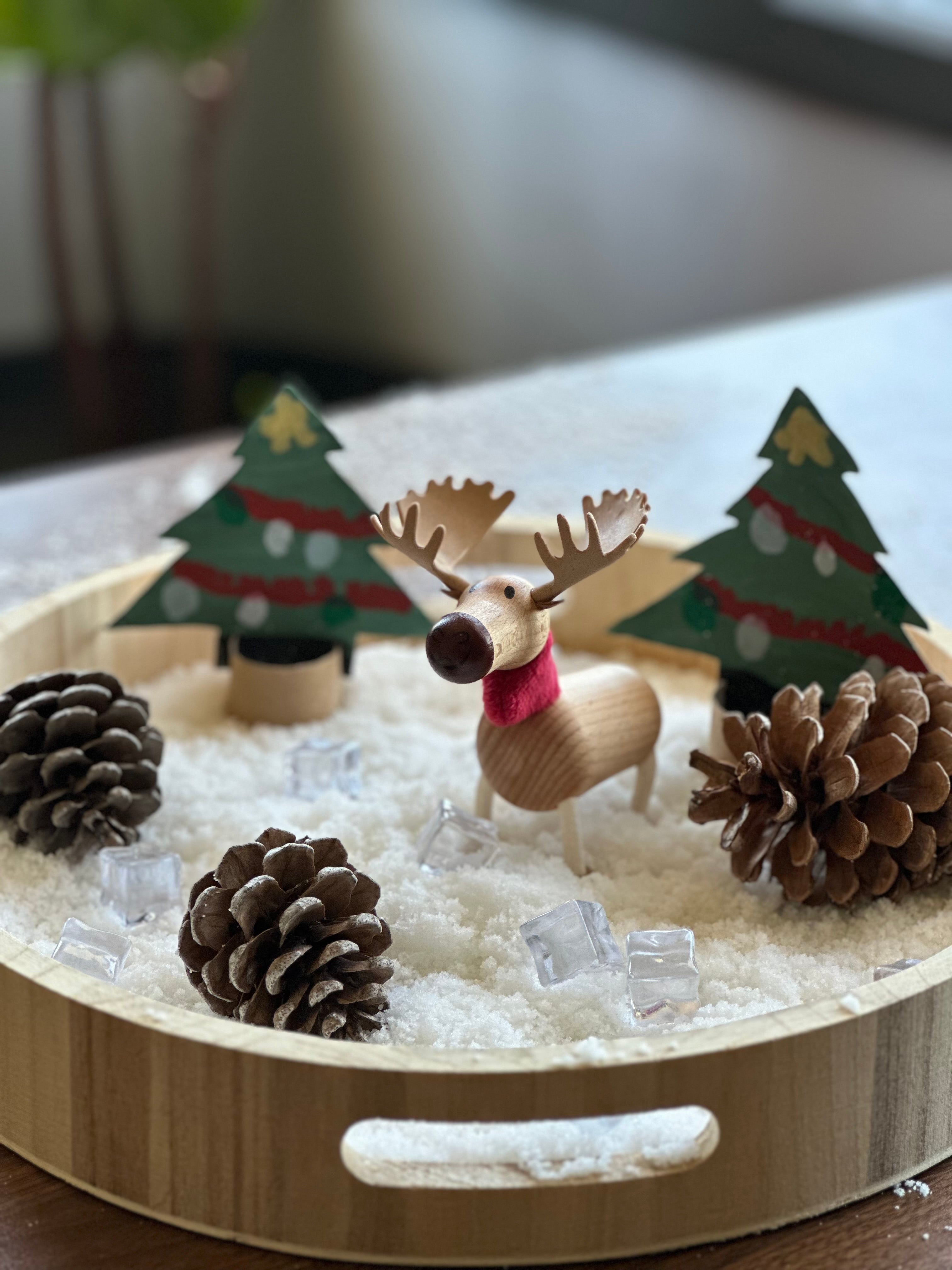
How Do Moose Survive Winter? Adaptation Facts for Kids
Imagine living outside in temperatures of −40°C, buried in metres of snow, with no coat, no heater, and no hot chocolate. For a moose, that's just a regular Tuesday. Moose are extraordinary animals, perfectly adapted to survive in some of the harshest winter conditions on Earth. Let's explore how they do it.
What Is a Moose?
The moose (Alces alces) is the largest member of the deer family. An adult bull (male) moose can stand up to 2.1 metres tall at the shoulder and weigh up to 700 kg — that's heavier than a small car! They're found across Canada, Alaska, Scandinavia, and Russia, where winters are long and brutal.
Adaptation 1: Their Incredible Coat
A moose's winter coat consists of two layers:
- A dense undercoat of fine, woolly fur that traps warm air close to the body.
- Long, hollow guard hairs on top that act like tiny insulating tubes, trapping even more warmth and repelling water and snow.
This double-layer system is so effective that snow can settle on a moose's back without melting — meaning the moose is losing almost no body heat through its skin.
Adaptation 2: Their Nose
A moose's large, bulbous nose contains a complex network of blood vessels and passages that warm incoming air before it reaches the lungs. Breathing in −40°C air directly would damage lung tissue — the moose's nose acts as a built-in air heater.
Adaptation 3: Their Legs and Hooves
Moose have long, powerful legs that help them wade through deep snow with surprising ease. Their large, splayed hooves act like natural snowshoes, distributing their weight across a wider surface area so they don't sink as deeply. The hooves also have sharp edges that grip ice, preventing slipping.
Adaptation 4: Changing Their Diet
In summer, moose feast on aquatic plants, leaves, and shrubs. In winter, when these foods are buried under snow, moose switch to a diet of twigs, bark, and conifer needles — foods that other animals can't digest. Their specialised digestive system can extract nutrients from this tough, woody material.
Adaptation 5: Slowing Down
Moose conserve energy in winter by moving less and resting more. They seek out sheltered areas like dense forests that block wind and reduce heat loss. By lowering their activity level, they burn fewer calories — essential when food is scarce.
What About Their Antlers?
Male moose grow and shed their antlers every year. Antlers are shed in late autumn or early winter — just before the harshest weather arrives. This makes sense: antlers are heavy and energetically expensive to maintain. Shedding them in winter saves energy when it's needed most. New antlers begin growing again in spring.
Fun Moose Facts for Kids
- Moose are excellent swimmers and can dive up to 5.5 metres underwater to reach aquatic plants.
- Despite their size, moose can run at speeds of up to 56 km/h.
- Baby moose (calves) can walk within hours of birth and swim within weeks.
- Moose are generally solitary animals — unlike deer, they don't form herds.
- A moose's antlers can span up to 1.8 metres from tip to tip.
Winter Adaptation Activities for Kids
- Insulation experiment: Fill two cups with warm water. Wrap one in a wool sock and leave one bare. Check the temperature after 10 minutes. Discuss how the moose's coat works similarly.
- Snowshoe design: Using cardboard, design your own snowshoe. Discuss how spreading weight helps you walk on snow.
- Diet detective: Research what other animals eat in winter. How do their diets compare to a moose's?
- Adaptation map: Draw a moose and label each adaptation with an explanation of how it helps survival.
Explore the Arctic Through Play
Our Icebergs collection features beautifully crafted wooden arctic and cold-climate animal figurines, perfect for imaginative play and learning.
Shop the Icebergs Collection →
Further Reading & Resources
These trusted sites offer great resources for learning more about moose, animal adaptations, and cold-climate ecosystems:
- National Geographic — Moose — stunning photography and in-depth facts about moose behaviour, habitat, and adaptations, ideal for classroom research and independent reading.
- IUCN Red List — Moose — the authoritative scientific assessment of moose conservation status, with detailed population and habitat data.
- National Wildlife Federation — Moose — the NWF's moose profile covers habitat, diet, behaviour, and conservation, with links to educational activities for kids.
- DK Find Out — Moose — child-friendly, curriculum-aligned moose facts with interactive content perfect for primary school learners.
- WWF Canada — Moose — WWF Canada's moose profile explores the role of moose in boreal forest ecosystems and the conservation challenges they face due to climate change.
Read more animal facts on our Ramblings blog — from penguin family life to ocean conservation.

Send us a note