

Why Are Crocodiles the Ultimate Ambush Predator? Australia's Most Fearsome Reptile
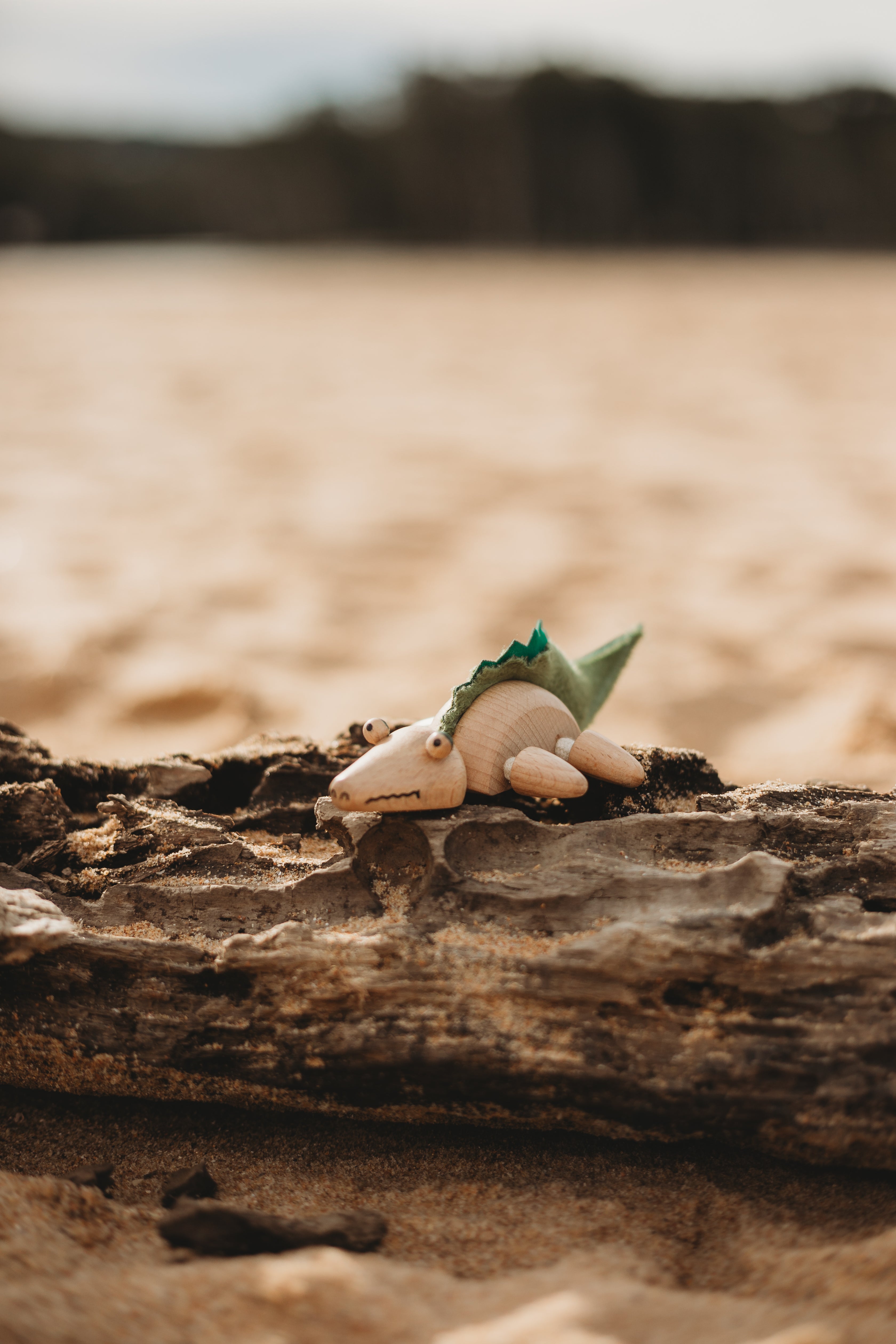
Crocodile Facts for Kids: Ancient Predators of the Water's Edge
Crocodiles are living dinosaurs — not literally, but in terms of their ancient lineage. These remarkable reptiles have existed in almost the same form for over 200 million years, surviving the mass extinction that wiped out the non-avian dinosaurs. Today, they remain among the most powerful and perfectly adapted predators on Earth. Let's find out why.
The World's Largest Reptile
The saltwater crocodile (Crocodylus porosus) is the world's largest living reptile. Found across northern Australia, Southeast Asia, and the Pacific, large males can reach 6–7 metres in length and weigh over 1,000 kg. Australia is home to two crocodile species: the saltwater crocodile and the smaller freshwater crocodile.
The Perfect Ambush Predator
Crocodiles are masters of stealth and patience:
- They can lie motionless in water for hours, with only their eyes and nostrils above the surface.
- Their eyes, ears, and nostrils are all positioned on top of their head, allowing them to sense their surroundings while almost completely submerged.
- When prey approaches the water's edge, crocodiles explode into action with a "death roll" — spinning rapidly to disorient and subdue prey.
- Their bite force is the strongest of any animal ever measured — up to 16,000 Newtons.
Fascinating Crocodile Facts
- Crocodiles have 80 teeth and go through up to 3,000 teeth in a lifetime — new teeth grow to replace lost ones.
- Despite their fearsome reputation, crocodiles are attentive parents. Mothers guard their nests and carry hatchlings to water in their mouths.
- Crocodiles can hold their breath for up to 2 hours underwater.
- They regulate body temperature by basking in the sun with their mouths open — a behaviour called "gaping".
- Crocodiles can go for up to a year without eating by slowing their metabolism.
- They communicate with hatchlings through vibrations and sounds even before the eggs hatch.
Crocodiles vs. Alligators
Kids often ask: what's the difference? The easiest way to tell them apart is by their snout shape and teeth. Crocodiles have a narrower, V-shaped snout, and their fourth lower tooth is visible when their mouth is closed. Alligators have a broader, U-shaped snout, and their lower teeth are hidden when their mouth is closed.
Why Crocodiles Matter
Crocodiles are keystone predators in their ecosystems. By controlling fish and other animal populations, they help maintain the balance of rivers and wetlands. Their wallowing creates pools that other animals rely on during dry seasons.
Crocodile Activities for Kids
- Snout comparison: Draw a crocodile and alligator snout side by side and label the differences.
- Patience game: Sit completely still for 5 minutes. Discuss how crocodiles can wait motionless for hours.
- Tooth count: If a crocodile has 80 teeth and replaces them up to 50 times, how many teeth does it grow in a lifetime?
- Ancient survivor: Create a timeline showing crocodile evolution alongside dinosaurs and humans.
Bring the Outback Home
Our wooden crocodile figurine is part of the Outback: Australia and Beyond collection — beautifully crafted from sustainably sourced timber.
Further Reading & Resources
- IUCN Crocodile Specialist Group — the global authority on crocodilian conservation, with species profiles, population data, and conservation programs for all 27 crocodilian species.
- National Geographic — Saltwater Crocodile — facts, photos, and videos about the world's largest reptile, ideal for classroom research.
- WWF Australia — Saltwater Crocodile — WWF's profile of Australia's saltwater crocodile, covering habitat, behaviour, and conservation status.
- Australian Government — Crocodiles — official information on crocodile management and conservation in Australia.
- DK Find Out — Crocodile — child-friendly, curriculum-aligned crocodile facts perfect for primary school learners.
Explore more animal facts on our Ramblings blog.

Send us a note