

Why Do Buffalo Laugh in the Face of Lions? The Unstoppable Herd Animal of Africa
Buffalo Facts for Kids: The Mighty Herd Animal of the Plains
The African buffalo (also called the Cape buffalo) is one of Africa's most powerful and impressive animals. Often underestimated compared to more glamorous safari animals, the buffalo is actually one of the most dangerous animals on the continent — and one of the few that lions approach with genuine caution. Let's explore what makes these mighty herd animals so remarkable.
Strength in Numbers
African buffalo live in large herds that can number in the hundreds or even thousands. This isn't just for company — it's a survival strategy. A herd of buffalo is an almost impenetrable fortress:
- When threatened, buffalo form a defensive circle, with calves in the centre and adults facing outward.
- Herds have been observed turning on and chasing away lions that have attacked a calf — even rescuing calves from a lion's jaws.
- Buffalo have been known to remember and seek revenge on individual lions or humans that have harmed them.
The Horns
An adult buffalo's horns are one of its most distinctive features. In mature males, the horns meet in the middle of the forehead to form a solid bony shield called a boss, from which the horns curve outward and upward. The boss can be up to 40 cm thick and is virtually impenetrable. Buffalo use their horns to fight rivals and defend against predators.
Fascinating Buffalo Facts
- An adult male buffalo can weigh up to 900 kg.
- Buffalo have an excellent collective memory — herds remember the locations of water sources and good grazing areas across vast distances.
- They are grazers, eating large quantities of grass each day.
- Buffalo wallow in mud to cool down and protect their skin from insects.
- A baby buffalo is called a calf and can walk within hours of birth.
- Buffalo are one of the "Big Five" — the five most sought-after animals on an African safari.
- They communicate through grunts, bellows, and body postures.
Buffalo and the Ecosystem
Buffalo play a vital role in the savannah ecosystem. Their grazing keeps grass short, which benefits other grazers and prevents overgrowth. Their dung fertilises the soil and supports dung beetles, which in turn support birds and other animals. Buffalo wallows create water holes used by many other species.
Conservation Status
The African buffalo is currently listed as near threatened, with populations declining due to habitat loss, disease (particularly bovine tuberculosis spread from domestic cattle), and hunting. Some regional populations are more severely affected than others.
Buffalo Activities for Kids
- Herd defence: Act out a buffalo defensive circle — kids form a circle facing outward with the smallest in the middle. Discuss how this protects the herd.
- Big Five research: Research all five of the Big Five animals and discuss why they were originally named this way.
- Ecosystem web: Draw a food web showing how buffalo connect to lions, grass, dung beetles, and birds.
- Memory experiment: Discuss how buffalo remember water sources. How do humans use maps and landmarks similarly?
Bring the Safari Home
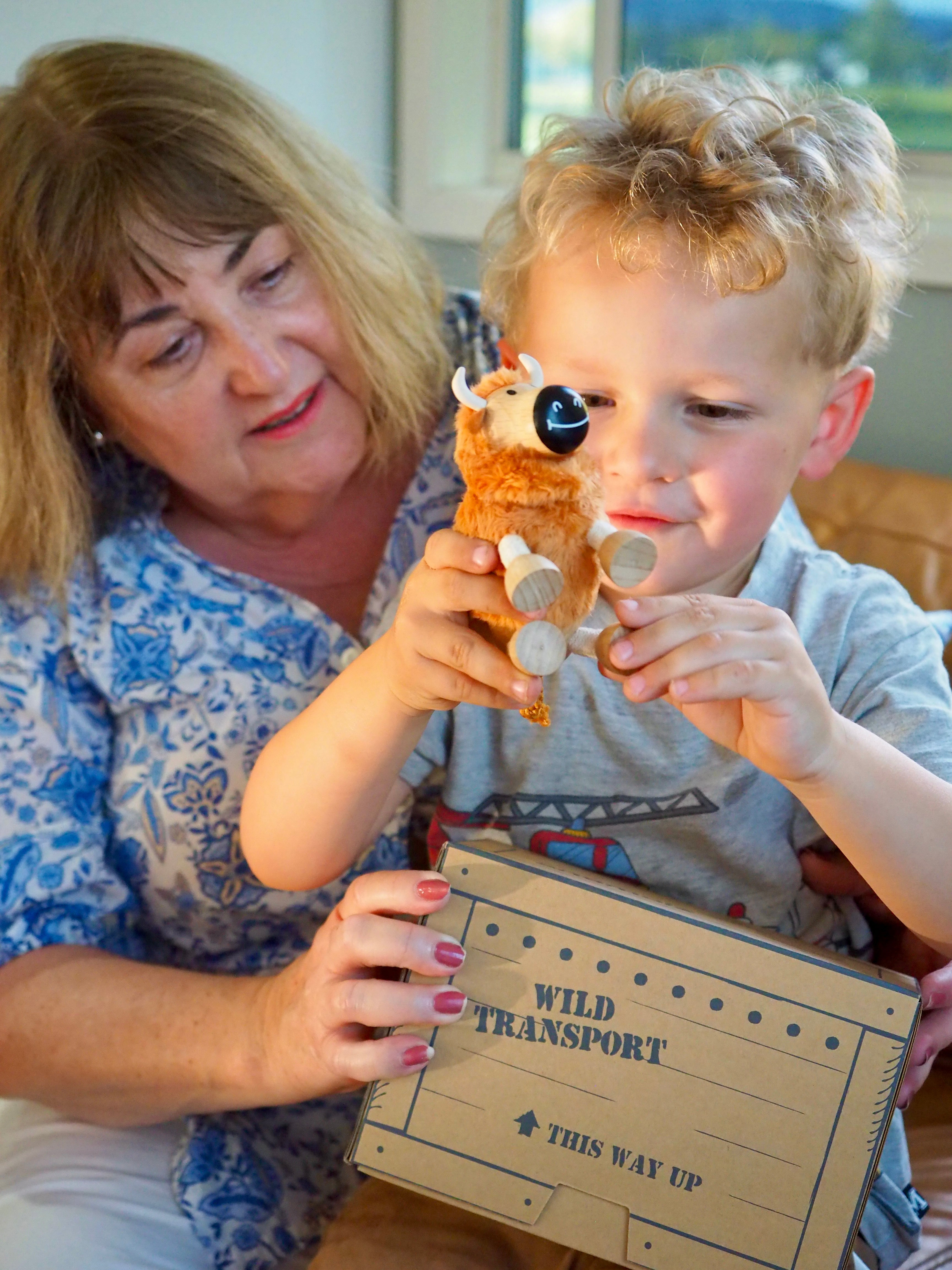
Our wooden buffalo figurine is part of the Roaming Mountains collection — beautifully crafted from sustainably sourced timber.
Shop the Roaming Mountains Collection →
Further Reading & Resources
- WWF — African Buffalo — WWF's buffalo profile covers the species, habitat, threats, and conservation status across sub-Saharan Africa.
- National Geographic — African Buffalo — facts, photos, and videos about African buffalo, ideal for classroom research and independent reading.
- IUCN Red List — African Buffalo — the authoritative scientific assessment of buffalo conservation status and population trends.
- African Wildlife Foundation — Buffalo — the AWF's buffalo conservation page covers the ecological role of buffalo and the conservation challenges they face across Africa.
- DK Find Out — Buffalo — child-friendly, curriculum-aligned buffalo facts perfect for primary school learners.
Explore more animal facts on our Ramblings blog.

Send us a note